
For protective teams
When reaching for a phone
is the wrong move.
Why not just use the phone
- Under pressure, hands aren't steady enough for a screen.
- It's the first thing anyone takes — everyone knows what it's for.
- Being seen calling for help is a risk.
What to carry instead
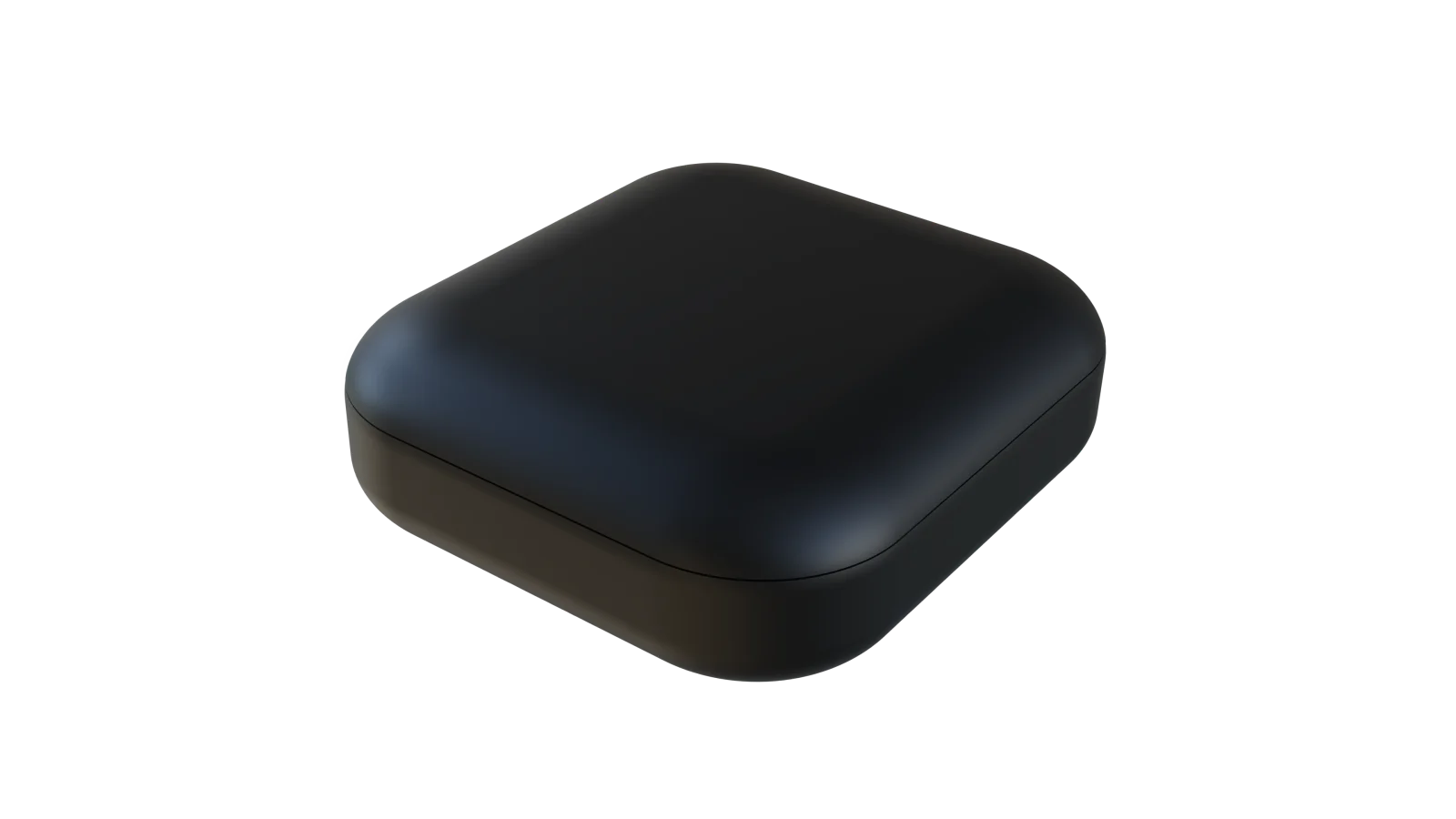
It looks like nothing.
It looks like anything.
That's
the point.
It comes with a cover story; we'll show you.
Press it to raise an alert — by feel, without looking. Nothing to unlock, nothing to find on a screen.
63 × 60 × 24 mm · pocket-carried · nothing about it announces itself
How it works
We don't change how you respond.
We arrive
inside it.
- 01 Your detail or desk sees who, where, and how fresh that position is.
- 02 You acknowledge. Whoever pressed gets one quiet confirmation they can feel — nothing anyone else sees.
- 03 If a unit goes quiet, you see no contact. Silence never looks like all fine.
- 04 You act on your own protocols. Every step lands in the incident record.
What it adds
We don't replace your tools.
We add to them.
- The phone
- Everyone has one, and everyone knows what it's for. We add a device that looks like nothing, raised by feel, unseen.
- Monitoring centres
- Someone else's operators hear about your principal first. We add alerts that land with your own team. Positions are encrypted to you; we relay them, we can't read them.
- Radios and earpieces
- Instant voice within the detail. We add an alert that stays open until acknowledged, a quiet confirmation back, and every step on the record.
- Satellite messengers
- Reach past the last cell tower, with the sky in view. We add a device that works indoors and on the move — residences, hotels, cars.

Take one.
Tell us where it breaks.
A 4-week paid evaluation.
Standalone — no integration to start.
Judged
against criteria you set.